
Join us on Telegram, Twitter, LinkedIn, Facebook, Instagram, YouTube, WhatsApp, TikTok, and subscribe to our Weekly Digest with just one click.
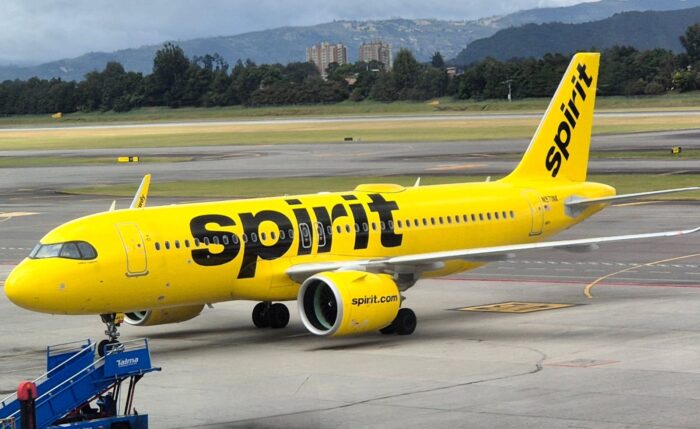
Beyond the immediate operational impact, the airline’s shutdown has broader implications for the competitive landscape. Spirit’s aggressive pricing strategy forced competitors to lower fares and rethink their commercial approaches, particularly on high-demand routes connecting Florida with the Caribbean and Latin America. Its sudden exit creates a significant capacity gap that other airlines will need to fill in the short term, potentially leading to higher fares and reduced seat availability. Moreover, the lack of customer support during such an abrupt transition intensifies the disruption, placing additional pressure on both passengers and the wider aviation system.
Follow us on Google News and receive notifications on your mobile device by clicking the button below.

This situation also reignites the debate over the long-term sustainability of the ultra low-cost model in a challenging economic environment marked by rising operational costs and demand volatility. While Spirit Airlines emphasized the positive impact of its business model, its closure underscores structural vulnerabilities when faced with prolonged financial strain. As a result, the market is likely to undergo a period of adjustment, with legacy and low-cost carriers seeking to capture displaced demand while regulators and consumers closely monitor how the balance between affordability and operational resilience evolves.
Must-Watch Video:
You might also be interested in:Spirit Airlines Collapse Triggers Shockwaves Across the U.S. Aviation Market
- ✈ Avianca makes rapid progress in software updates and passenger service.
- ✈ Air Canada launches direct flights from Toronto and Montreal.
- ✈ Airbus warns of potential solar radiation issues in aircraft.
- ✈ Viva resumes operations in Guadalajara and Puerto Vallarta.
You must be logged in to post a comment.