
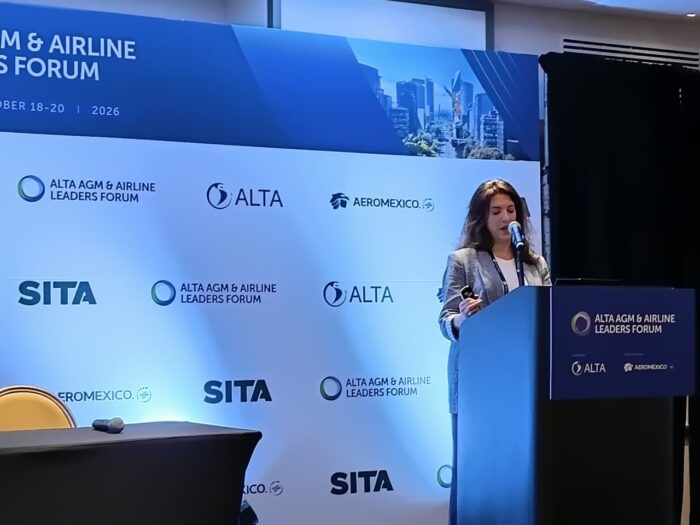
Aviation Route Viability and Operational Efficiency Increasingly Tied to Raw Material Supply Chains. During the recent aviation industry conferences held in Mexico City, international aerospace analysts and airline executives stressed that commercial route viability and operational efficiency can no longer be measured solely by seat passenger demand or spot jet fuel prices. Instead, industry experts highlighted that modern airline operations have become inextricably linked to a complex, multi-layered system of global commodity markets, airport technical capabilities, and regional logistical supply chain constraints.
Join us on Telegram, Twitter, LinkedIn, Facebook, Instagram, YouTube, WhatsApp, TikTok, and subscribe to our Weekly Digest with just one click.
Airlines face the intricate task of aligning multi-year capital commitments within a highly volatile macroeconomic environment. In evaluating route feasibility, commercial network planners must now evaluate comprehensive cost drivers that extend far beyond baseline ticket yields. These factors encompass future carbon compliance costs, shifting environmental regulations, and surging maintenance, repair, and overhaul (MRO) expenditures. The aerospace supply chain remains heavily reliant on a delicate balance of commodities, ranging from crude oil and refined distillates to high-performance aerospace alloys like titanium and aluminum, alongside expanding use of advanced carbon fiber composites designed to reduce aircraft weight and overall fuel burn.
Simultaneously, the global push toward Sustainable Aviation Fuel (SAF) adoption introduces new commercial and operational hurdles across the aviation value chain. Because the primary feedstocks required for SAF manufacturing—including hydrotreated used cooking oils and agricultural residues—are actively sought after by heavy transport, chemical, and maritime industries, airlines face aggressive inter-industry supply competition. Aviation leaders warned that regional regulatory mandates do not automatically generate new feedstock volumes; rather, they frequently redistribute limited supplies, driving up procurement expenses for carriers attempting to fulfill decarbonization goals.
Follow us on Google News and receive notifications on your mobile device by clicking the button below.

The panel concluded that fragmented international regulatory landscapes and diverging carbon accounting frameworks continue to distort strategic airline planning. As geopolitical realignments and commodity shortages persist, airline management must approach network deployment with an expanded perspective, recognizing that individual commercial flights are no longer simple point-to-point connections, but rather the operational nexus of hyper-connected, volatile global raw material markets.
Must-Watch Video:
You might also be interested in:
- ✈ Avianca makes rapid progress in software updates and passenger service.
- ✈ Air Canada launches direct flights from Toronto and Montreal.
- ✈ Airbus warns of potential solar radiation issues in aircraft.
- ✈ Viva resumes operations in Guadalajara and Puerto Vallarta.
You must be logged in to post a comment.